Introduction
I first came across Wan 2.7 while browsing the AI video generation subreddit. Someone had posted a side-by-side comparison: a clip generated by Seedance 2.0 on the left, and a clip generated by Wan 2.7 on the right. The Seedance clip looked good — solid lighting, decent motion. But the Wan 2.7 clip was almost indistinguishable in quality, and the poster mentioned it was generated at a fraction of the cost.
That caught my attention. In the AI video space, you usually get what you pay for. But Wan 2.7 is changing that equation. Developed by Alibaba's research team, it's an open-weight model that delivers impressive video and image generation quality without the premium price tag of competitors.
I've spent several weeks testing Wan 2.7 across different workflows: text-to-video, image-to-video, image generation, and even face swapping. What I found is a model that punches well above its price point.
TL;DR
- Wan 2.7 is Alibaba's latest AI video and image generation model — capable of both high-quality video and image outputs
- Open-weight availability means you can run it on your own hardware, though cloud platforms are the most practical option for most users
- Image-to-video quality is excellent — on par with Seedance 2.0 in many scenarios
- Much faster and cheaper than premium competitors — significantly shorter queue times and lower per-generation cost
- Also generates images, not just video — a versatile model that can handle both modalities
- Best for: creators who want high-quality AI video without the high cost, especially for high-volume workflows
What Is Wan 2.7?
Wan 2.7 is an AI video and image generation model developed by Alibaba Cloud's research team. It's part of the Wan series of generative AI models, with version 2.7 representing the latest and most capable release.
What makes Wan 2.7 notable is its accessibility. Unlike some competitors that are only available through their own paid platforms, Wan 2.7 has been released with open weights, meaning it can be deployed on compatible hardware or accessed through various cloud platforms and third-party services.
The model supports:
- Text-to-video: Generate video clips from text descriptions
- Image-to-video: Animate still images with motion
- Text-to-image: Generate images from text prompts
- Image-to-image: Transform or edit existing images
- Face swap: Replace faces in images and videos (via community workflows)
- Video-to-video: Apply styles or modifications to existing video
This multimodal capability makes Wan 2.7 more versatile than pure video generation models. You can use it as both your image generator and your video generator, reducing the number of tools you need in your creative pipeline.
Key Features of Wan 2.7
1. High-Quality Image-to-Video
Wan 2.7's image-to-video performance is where it truly competes with premium models. Given a reference image, it generates natural motion that respects the original composition, lighting, and subject details.
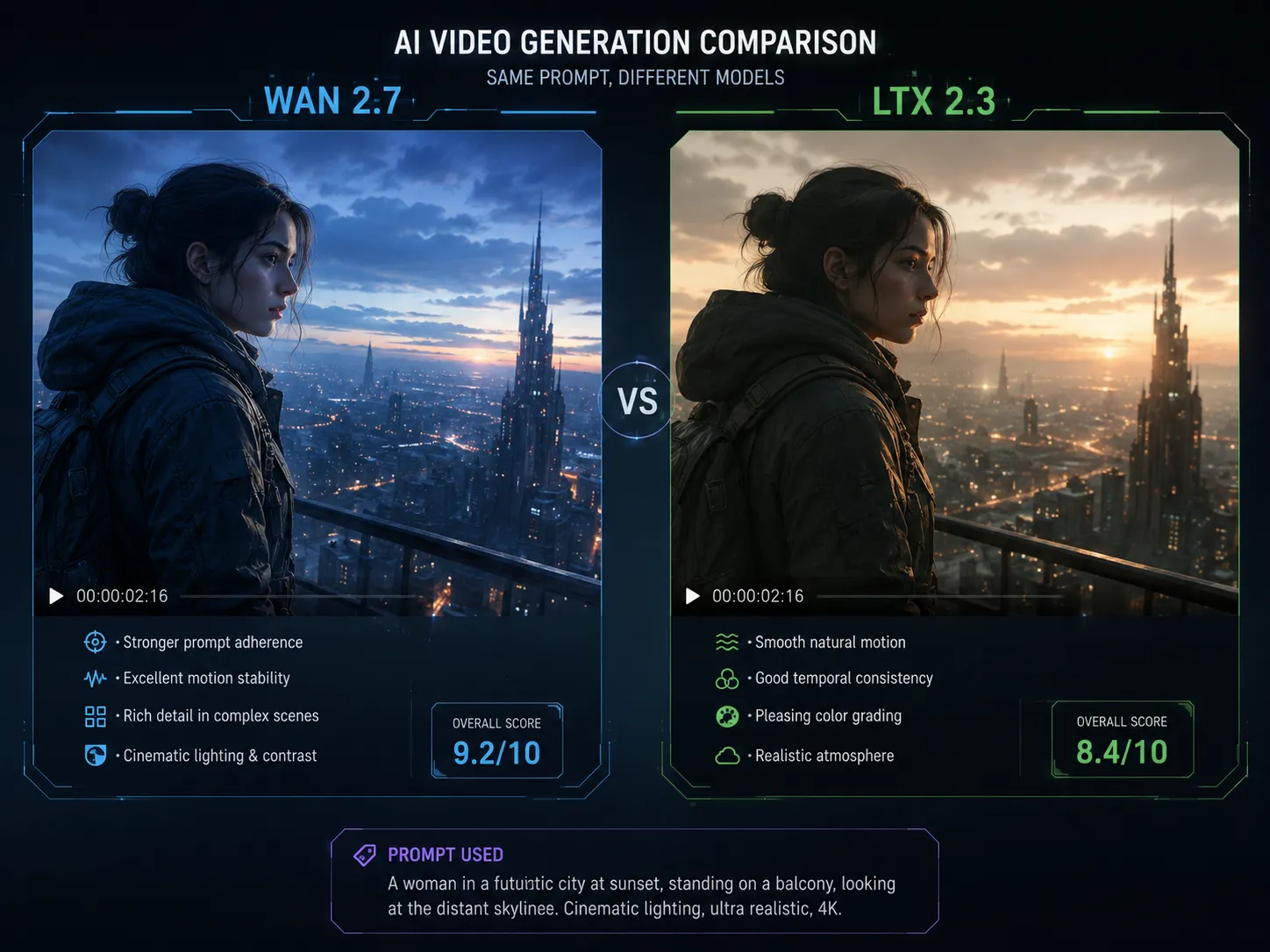
In my side-by-side tests with Seedance 2.0, Wan 2.7 held its own in most scenarios. For scenes with moderate motion — a person walking, a landscape with moving clouds, water flowing — the quality gap was negligible. For very complex motion or extreme camera movements, Seedance 2.0 had a slight edge, but not enough to justify the significant price difference for most commercial workflows.
The key strength here is that Wan 2.7 preserves the source image's aesthetic while adding believable motion. The subject doesn't warp or distort as it moves, which has been a common problem with earlier AI video models.
2. Fast Generation Speed
This is Wan 2.7's biggest practical advantage. Where Seedance 2.0 can take 10-20 minutes per generation during peak hours, Wan 2.7 typically completes a generation in 2-5 minutes. For high-volume workflows — social media content, iterative testing, batch production — this speed advantage translates directly to productivity.
When you're iterating on a creative concept, being able to test 5 different prompts in 10 minutes instead of 60 minutes changes how you work. You can explore more options, make more creative decisions, and find better results faster.
3. Image Generation Capabilities
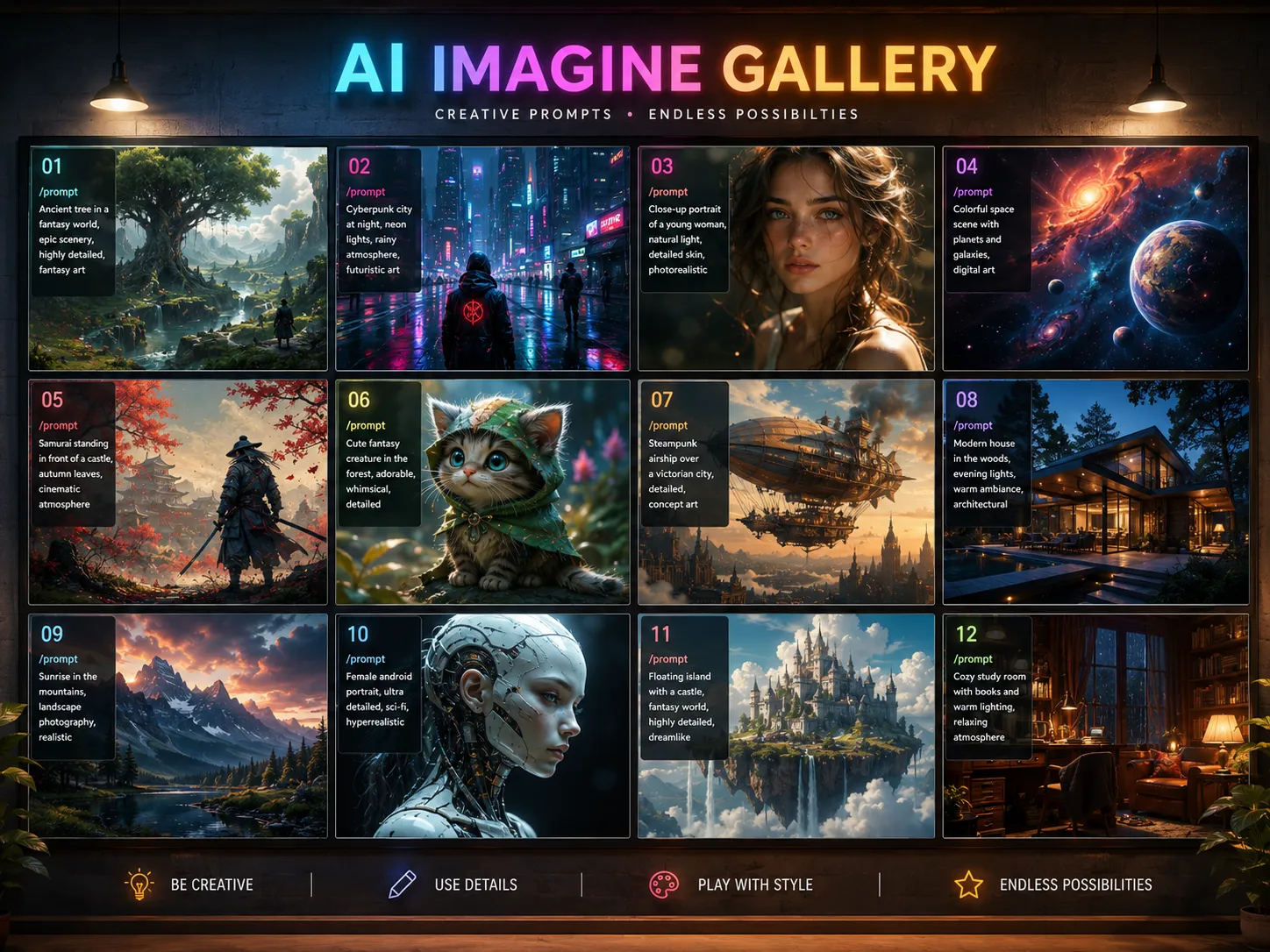
Unlike pure video models, Wan 2.7 can also generate high-quality images. This means you can use it as your primary AI visual tool — generate character designs, scene concepts, or product shots in the same interface where you create videos.
The image quality is competitive with dedicated image generation models. It handles photorealistic styles, illustrations, concept art, and product photography well. The text rendering is not as strong as GPT Image 2 — you won't get clean, readable text in generated images — but for visual composition and aesthetic quality, it performs solidly.
4. Open-Weight Availability
Wan 2.7's weights are openly available, which has several implications:
- Community innovation: Developers can fine-tune the model, build workflows around it, and create specialized versions
- Self-hosting option: Organizations with compatible hardware can run the model locally
- Multiple access points: The model is available through various platforms, not tied to a single service
- No vendor lock-in: You're not dependent on one company's pricing or availability decisions
For most practical users, accessing Wan 2.7 through a third-party platform is the easiest approach. Platforms like Wan 2.7 AI Video Generator provide a straightforward browser interface.
5. Versatile Video Styles
Wan 2.7 handles a good range of video styles:
- Cinematic: Film-style lighting, depth of field, anamorphic framing
- Anime and illustration: Stylized animation, 2D aesthetic
- Photorealistic: Real-world scenes with natural lighting and textures
- 3D render: CGI-style outputs with dimensional depth
- Surreal and abstract: Creative, non-realistic visual concepts
The style control is prompt-driven — you describe the visual aesthetic you want, and the model adapts. It's less granular than some dedicated tools, but for most use cases, prompt-based style control is sufficient.
Wan 2.7 vs Other AI Video Models
Here's how Wan 2.7 stacks up against competitors across the dimensions that matter for creators:
| Capability | Wan 2.7 | Seedance 2.0 | Kling 3 | Runway Gen-4 |
|---|---|---|---|---|
| Text-to-video quality | ⭐⭐⭐⭐ | ⭐⭐⭐⭐ | ⭐⭐⭐⭐ | ⭐⭐⭐⭐ |
| Image-to-video quality | ⭐⭐⭐⭐⭐ | ⭐⭐⭐⭐⭐ | ⭐⭐⭐⭐ | ⭐⭐⭐⭐ |
| Generation speed | ⭐⭐⭐⭐⭐ | ⭐⭐⭐ | ⭐⭐⭐⭐ | ⭐⭐⭐⭐ |
| Character consistency | ⭐⭐⭐⭐ | ⭐⭐⭐⭐⭐ | ⭐⭐⭐ | ⭐⭐⭐ |
| Camera control | ⭐⭐⭐ | ⭐⭐⭐⭐⭐ | ⭐⭐⭐ | ⭐⭐⭐⭐ |
| Image generation | ⭐⭐⭐⭐ | ❌ | ❌ | ❌ |
| Pricing value | ⭐⭐⭐⭐⭐ | ⭐⭐⭐ | ⭐⭐⭐⭐ | ⭐⭐⭐ |
| Open weights | ✅ | ❌ | ❌ | ❌ |
Quick verdict: Wan 2.7 offers the best price-to-performance ratio in the current AI video landscape. It may not lead every category, but it's competitive where it counts — output quality and speed — at a significantly lower cost.
Best Use Cases for Wan 2.7
Social Media Content Creation
For creators who need to produce multiple video clips per day for TikTok, Instagram Reels, YouTube Shorts, or Pinterest, Wan 2.7's speed and low cost make it the most practical option. Generate product demos, lifestyle clips, background videos, and visual assets at volume without burning through your budget.
Image-to-Video Animation
If you already have a library of images — product photos, concept art, AI-generated images — Wan 2.7 can animate them efficiently. The quality is close enough to Seedance 2.0 for most commercial applications, and the speed advantage means you can animate more images in less time.
Prototyping and Concept Exploration
When you're exploring creative directions — testing different visual styles, character designs, scene compositions — Wan 2.7 lets you iterate quickly. Generate multiple variations, compare them side by side, and refine your direction before committing to a final production.
AI Image Generation Plus Video
Because Wan 2.7 handles both images and video, you can use it as a complete visual creation tool. Generate character designs as images, then animate them into video clips — all within the same model ecosystem.
Budget-Conscious Production
For independent creators, small studios, and businesses who want AI video quality without enterprise pricing, Wan 2.7 is currently the best value option. You get competitive output quality at a fraction of the per-generation cost of premium alternatives.
Limitations to Know
1. Camera control is less precise than Seedance 2.0. While Wan 2.7 handles basic camera directions, complex multi-axis movements don't always execute as intended.
2. No text rendering. Unlike GPT Image 2, Wan 2.7 cannot reliably generate readable text within images or video frames.
3. Character consistency is good but not best-in-class. It maintains character appearance across short sequences, but for multi-shot narratives with the exact same character, Seedance 2.0 still leads.
4. Self-hosting requires significant hardware. Running Wan 2.7 locally requires high-end GPUs. Most users will access it through cloud platforms.
5. Maximum video length is limited. Like most AI video models, outputs are typically 5-10 seconds per generation.
Who Should Use Wan 2.7?
Use it if:
- You need high-quality AI video at a competitive price point
- Speed and iteration volume matter for your workflow
- You want a model that handles both images and video
- You're creating social media content, prototypes, or commercial visuals at scale
Consider alternatives if:
- You need precise camera control for narrative filmmaking (Seedance 2.0 is better)
- Character consistency across multiple shots is critical (Seedance 2.0 leads here)
- You need text rendering in images (GPT Image 2 is the best option)
The Bottom Line
Wan 2.7 is the best value proposition in AI video generation right now. It delivers output quality that's competitive with premium models at a significantly lower cost and faster generation speed. For creators who need to produce video content regularly — social media, commercial projects, prototypes, concept exploration — it's the most practical choice.
The fact that it also handles image generation adds to its versatility. You get a capable image generator and a strong video generator in one model, reducing toolchain complexity.
If you want to test it yourself, you can start with the Wan 2.7 AI Video Generator directly in your browser.
FAQ
What is Wan 2.7?
Wan 2.7 is Alibaba's latest AI video and image generation model. It supports text-to-video, image-to-video, text-to-image, and image-to-image capabilities.
Who developed Wan 2.7?
Wan 2.7 was developed by Alibaba Cloud's research team as part of the Wan series of generative AI models.
Is Wan 2.7 free?
Wan 2.7's weights are openly available, which means you can access it through various platforms at different price points. Some third-party platforms offer free tiers with limitations.
Is Wan 2.7 open source?
The model weights are openly available, enabling community development and self-hosting. However, check the specific license terms from Alibaba for usage restrictions.
How does Wan 2.7 compare to Seedance 2.0?
Wan 2.7 offers competitive quality at a lower price and faster speed. Seedance 2.0 has better character consistency and camera control. For most commercial content creation, the quality gap is small enough that Wan 2.7's speed and cost advantages make it the practical choice.
Can Wan 2.7 generate images?
Yes. Unlike pure video models, Wan 2.7 can generate high-quality images from text prompts, making it a versatile tool for both image and video creation.
Does Wan 2.7 support image-to-video?
Yes. Image-to-video is one of Wan 2.7's strongest capabilities. Upload a reference image and generate natural motion animation.
Can I use Wan 2.7 for commercial projects?
Yes, Wan 2.7 outputs can be used for commercial purposes. Always verify the specific terms of the platform or license you're using.
What hardware do I need to run Wan 2.7?
Running Wan 2.7 locally requires high-end GPUs with substantial VRAM. Most users access it through cloud platforms like Wan 2.7 AI Video Generator or third-party services.
What's the difference between Wan 2.7 and earlier Wan versions?
Wan 2.7 is the latest version with improved video quality, better motion consistency, faster generation, and added image generation capabilities compared to Wan 2.6 and earlier versions.